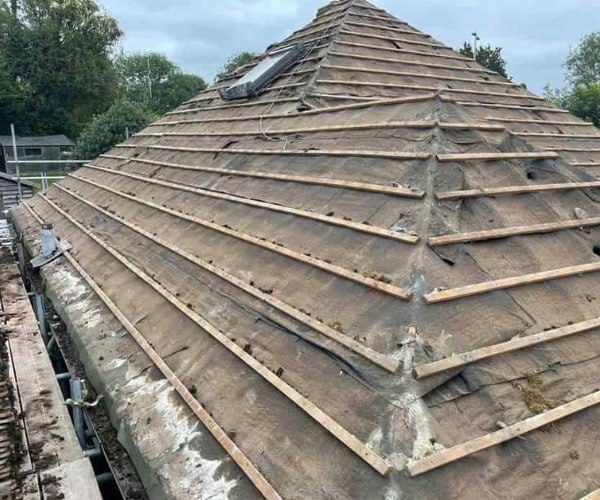
How Roof Design Influences the Choice of Roofing System
Choosing the right roofing system involves more than selecting an attractive material. The design and structure of a roof have a significant influence on which materials and installation methods are suitable. Factors such as roof pitch, shape, drainage requirements and structural support all need to be considered to ensure the finished roof performs reliably.
For property owners in Cranfield, Bedfordshire, understanding how roof design affects roofing choices can help when planning repairs, improvements or a replacement. Selecting a system that works with the existing roof structure helps protect the property from weather exposure and supports long-term performance.
Why Roof Design Matters When Choosing a Roofing System
Every roof has different structural and practical requirements. A material that works well on a steep pitched roof may not be suitable for a shallow or flat roof. Similarly, complex roof shapes may require additional detailing around valleys, ridges, hips and junctions.
The roofing system must be compatible with the roof’s design rather than chosen on appearance alone. An unsuitable combination can increase the risk of water penetration, poor drainage and premature deterioration.
A professional assessment helps establish the condition of the existing structure and identify a suitable roofing solution.
How Roof Pitch Affects Roofing Material Choices
Roof pitch refers to the angle or steepness of the roof. It is one of the most important considerations when selecting a roofing system because it affects how quickly rainwater runs off the surface.
Steeper roofs commonly use tiles or slates, with the choice depending on the roof structure, material specifications and installation requirements. These materials are designed to overlap and shed water effectively when fitted at an appropriate pitch.
Shallower roofs have different drainage requirements. Some may be suitable for specific tile or sheet systems, while flat and low-pitched roofs often require specialist coverings such as felt or single-ply membranes.
Using a roofing material outside its recommended pitch range can increase the likelihood of water ingress, so suitability should always be checked before installation.
The Influence of Roof Shape and Complexity
The overall shape of a roof also affects the type of roofing system and the detailing required.
Simple pitched roofs generally have fewer junctions and are more straightforward to cover. More complex designs may include multiple slopes, dormer windows, hips, valleys and roof extensions.
These features create additional points where water needs to be directed safely away from the building. The roofing system must include suitable flashing, underlay and carefully finished junctions to prevent leaks.
For properties with complex roof layouts in Cranfield, Bedfordshire, careful planning is particularly important because poorly detailed connections can become vulnerable to water penetration.
Structural Support and Roofing Material Weight
The existing roof structure must be capable of supporting the chosen roofing materials. Different systems have different weights, and this can influence whether a material is appropriate for the property.
Traditional tiles and natural slate can place considerable loads on roof timbers. Lightweight alternatives may be suitable in certain circumstances, but their compatibility with the structure and the roof’s overall design still needs to be assessed.
When changing from one roofing material to another, the condition and capacity of the supporting structure should be checked rather than assuming that the replacement will be suitable.
Drainage Requirements and Roof Design
A roofing system must manage rainwater effectively. Roof pitch, surface area and layout all influence how water flows towards gutters and drainage outlets.
Valleys are particularly important because they collect water from adjoining roof sections. If they are damaged, poorly designed or incorrectly installed, water can seep beneath the covering and affect the roof structure.
Flat and low-pitched roofs also need carefully planned falls and drainage points to reduce standing water. The selected waterproofing system must be appropriate for these conditions.
Good drainage design helps protect the roof covering and reduces the likelihood of moisture-related problems developing over time.
Roof Ventilation and Insulation Considerations
Roof design can influence how ventilation and insulation are incorporated into the roofing system. Pitched roofs may have ventilated roof spaces, while some modern designs use warm roof or cold roof constructions.
The correct arrangement depends on the building, existing structure and chosen roofing materials. Poor ventilation or an unsuitable insulation build-up can contribute to condensation, dampness and deterioration of roof components.
These details should be considered alongside the external covering to ensure the complete roofing system works effectively.
Why Professional Roofing Advice Is Important
Selecting a roofing system without considering the roof’s design can lead to avoidable problems. A professional roofer can assess the pitch, structure, drainage, existing materials and condition of vulnerable areas before recommending suitable repairs or improvements.
This is particularly useful when dealing with older roofs, previous alterations or properties where several roofing materials and construction methods have been used.
A detailed assessment helps ensure that the proposed work addresses the roof’s actual requirements rather than simply replacing visible materials.
Conclusion
Roof design plays an essential role in determining which roofing system is suitable for a property. Pitch, shape, structural support, drainage and ventilation all influence material selection and installation methods. Considering these factors together helps create a roof that is better equipped to protect the building and withstand everyday weather exposure.
FCB Roofing Cranfield provides professional roofing repair services in Cranfield, Bedfordshire. If your roof needs attention or you are unsure which roofing solution is appropriate for its design, contact the team to discuss your requirements and arrange an assessment.
Call us on: 01234 981 898
Click here to find out more about FCB Roofing Cranfield
Click here to complete our contact form and see how we can help with your roofing needs.