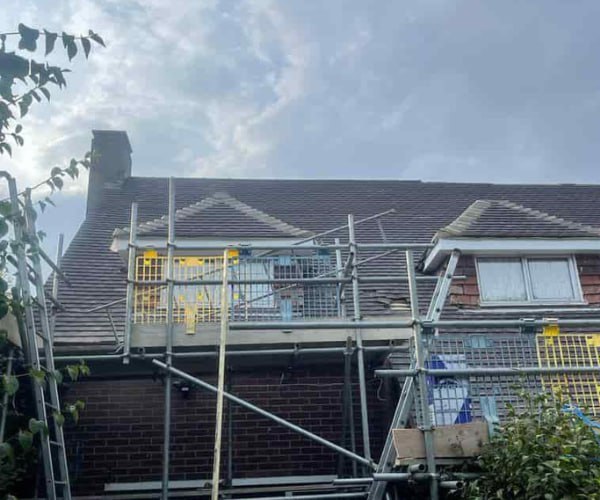
Pitched Roof Repairs: How to Identify Problems Before They Worsen
A pitched roof is designed to protect your property from rain, wind and changing weather conditions. However, over time, roof tiles can become damaged, mortar can deteriorate and vulnerable areas may begin to let water in. Identifying these issues early can help prevent minor defects from developing into more serious roofing problems.
For homeowners in Cranfield, Bedfordshire, regular roof checks and prompt repairs can help maintain the condition of the property and protect the interior from damp and water damage. Knowing which warning signs to look for can help you recognise when your pitched roof may need professional attention.
Common Signs Your Pitched Roof Needs Repairs
Roofing problems are not always immediately obvious from the ground. Some defects develop gradually, while others appear following strong winds or heavy rainfall. Recognising the early signs can help you arrange an inspection before the damage spreads.
Slipped, Cracked or Missing Roof Tiles
Roof tiles provide the first line of defence against the elements. If tiles crack, slip out of position or become detached, gaps may form that allow rainwater to reach the underlying roof structure.
From ground level, look for uneven rows of tiles, visible gaps or sections that appear different from the surrounding roof. Missing tiles may also leave the roof felt or battens exposed to the weather.
Avoid climbing onto the roof to investigate. A roofing professional can inspect the affected area safely and determine whether individual tiles need replacing or whether the damage extends to the supporting materials.
Water Stains on Ceilings and Walls
Brown patches, peeling paint or damp marks on ceilings and upper walls can indicate water ingress through the roof. You may also notice a musty smell or dampness in the loft after rainfall.
Water does not always appear directly beneath the point where it enters. It can travel along roof timbers or other surfaces before becoming visible indoors, which means the source may be some distance from the stain.
If you notice recurring damp patches, arrange a professional roof inspection rather than simply covering the affected area with paint. Identifying and repairing the source of the leak is essential to preventing further damage.
Damaged Ridge Tiles and Mortar
Ridge tiles run along the highest point of a pitched roof, helping protect the junction where the two roof slopes meet. The mortar securing these tiles can deteriorate over time due to weather exposure and natural ageing.
Look for loose ridge tiles, crumbling mortar or visible gaps along the roof ridge. Damaged ridge sections can allow water to enter and may become unstable if left unattended.
A roofer can assess the condition of the ridge and recommend appropriate repairs, which may involve replacing damaged mortar, securing loose tiles or renewing affected sections.
Problems Around Flashing and Chimneys
Flashing is used around roof junctions, chimneys and other features to help prevent water from entering vulnerable areas. If flashing becomes loose, cracked or poorly sealed, rainwater may penetrate the roof.
Signs of a possible problem include damp patches near chimney breasts, staining in the loft or visible gaps around roof junctions. These symptoms can sometimes be mistaken for defects elsewhere on the roof.
A professional assessment can help establish whether the flashing, surrounding masonry or adjacent roof coverings require attention.
How Weather Can Affect a Pitched Roof
Wind, rain and repeated changes in temperature can gradually affect roofing materials. Strong winds may lift or displace tiles, while prolonged wet weather can reveal weaknesses around joints, flashing and other vulnerable points.
Repeated exposure to moisture can also contribute to the deterioration of mortar and timber if water enters the roof structure. Once a defect develops, further rainfall may allow the affected area to worsen.
After particularly severe weather in Cranfield, Bedfordshire, it is sensible to check your property from the ground for obvious changes, such as missing tiles or debris. If you suspect damage, arrange a professional inspection. Do not attempt to access the roof yourself, as roof coverings can be slippery and unstable.
Why Early Pitched Roof Repairs Matter
Small roofing defects can sometimes be repaired before they affect a larger section of the roof. A single damaged tile, for example, may be relatively straightforward to address, whereas prolonged water ingress can damage roof timbers, insulation and internal finishes.
Early repairs also help establish whether the problem is isolated or part of a wider issue. Repeated leaks, several displaced tiles or widespread deterioration may indicate that a more comprehensive inspection is needed.
Prompt attention does not mean every roof problem requires extensive work. The appropriate repair depends on the roof’s age, construction, materials and overall condition. A professional assessment helps determine the most suitable solution.
The Importance of Professional Roof Inspections
Some roof defects are difficult to identify without a closer examination. A roof may look sound from the ground while concealed problems are developing around the underlay, battens, valleys or roof junctions.
A professional roofer can assess the visible roof coverings and investigate suspected problem areas safely. This helps identify the likely source of leaks, establish the extent of the damage and determine which repairs are necessary.
Periodic inspections are particularly useful for older roofs or properties that have experienced recurring leaks. Keeping an eye on the roof’s condition can help you address developing problems before they affect other parts of the property.
Pitched Roof Repairs in Cranfield, Bedfordshire
If you have noticed damaged tiles, damp patches or signs of deterioration, FCB Roofing Cranfield can help you assess your pitched roof and identify the repairs needed to maintain its protective function.
Whether the issue involves slipped tiles, damaged ridge mortar, leaking flashing or suspected water ingress, addressing the cause is essential to achieving a reliable repair. The right approach will depend on the roof’s construction and the condition of the affected area.
Contact FCB Roofing Cranfield to discuss your roofing concerns and arrange a professional inspection for your property in Cranfield, Bedfordshire.
Conclusion
Pitched roof problems often begin with small defects that can become more serious if they are overlooked. Missing tiles, deteriorating mortar, damaged flashing and unexplained damp patches are all signs that a roof may need attention.
For homeowners in Cranfield, Bedfordshire, recognising these warning signs and arranging repairs promptly can help protect the roof structure and prevent avoidable water damage. FCB Roofing Cranfield can help identify the source of roofing problems and recommend suitable repairs to keep your property protected.
Call us on: 01234 981 898
Click here to find out more about FCB Roofing Cranfield
Click here to complete our contact form and see how we can help with your roofing needs.