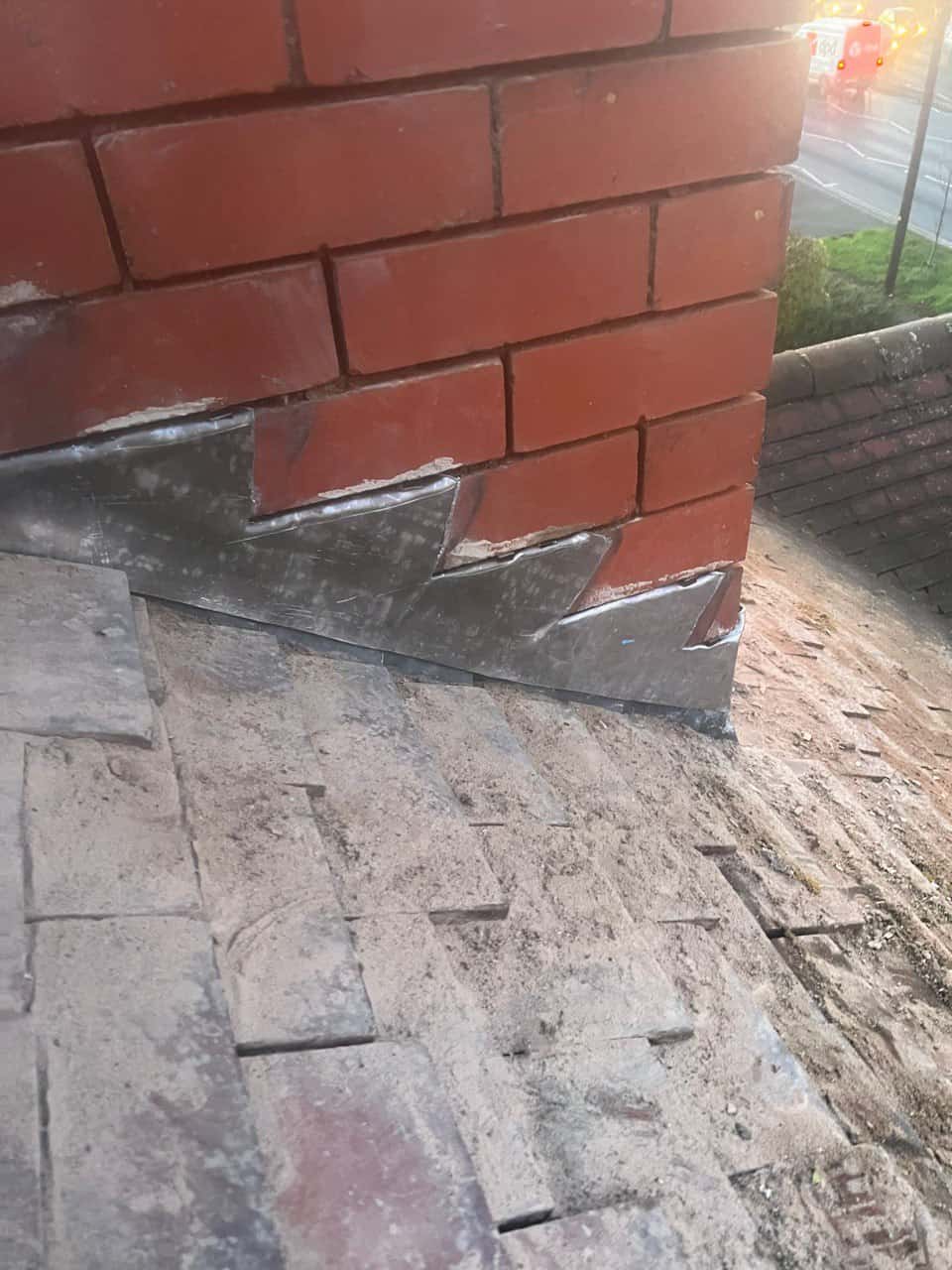
Why Do Roof Tiles Become More Vulnerable as a Roof Ages?
Roof tiles are designed to withstand years of exposure to rain, wind and changing temperatures, providing the main protective covering over a property. However, no roofing material remains completely unaffected by time. As a tiled roof gets older, individual tiles and the components supporting them can gradually become more susceptible to cracking, slipping, movement and weather-related damage.
This does not mean that an older roof automatically needs replacing. Many ageing roofs continue to perform effectively with appropriate maintenance and timely repairs. The important factor is recognising when isolated tile damage is becoming part of a wider pattern of deterioration.
For homeowners in Cranfield, Bedfordshire, understanding why roof tiles become more vulnerable with age can help ensure developing defects receive attention before they lead to more significant roofing problems.
Roof Tiles Spend Their Entire Life Exposed to the Weather
Unlike many building materials, roof tiles receive very little protection from the surrounding environment.
Year after year, they are exposed to:
- Rainfall
- Strong winds
- Temperature changes
- Frost and cold conditions
- Sunlight
- Seasonal weather variations
A well-constructed tiled roof is designed for this exposure, but repeated weathering can gradually affect both the tiles and the components keeping them securely positioned.
As the roof becomes older, existing weaknesses can become increasingly significant.
Small Defects Can Develop Gradually
Roof deterioration is not always immediately obvious
A roof tile does not necessarily change from being completely sound to visibly broken overnight.
Small imperfections can develop gradually.
A minor crack, weakened edge or deteriorating fixing may initially have little effect on the roof’s performance. Continued exposure can then place additional stress on the affected area until the defect becomes more noticeable.
This is why apparently sudden tile failures can sometimes be the final stage of deterioration that has been developing for considerably longer.
Older Tiles Can Become More Susceptible to Cracking
Roof tiles need to remain intact to maintain their intended overlap and protection.
As tiles weather, some can become more vulnerable to cracking or breaking.
Once a crack develops, the tile may no longer perform as reliably as the surrounding covering. Water can potentially reach areas that would normally remain protected, while the damaged tile may become increasingly susceptible to further breakage.
One cracked tile is often a localised repair issue. Numerous cracked tiles across different sections can indicate broader deterioration that deserves closer assessment.
Fixings Can Deteriorate Alongside the Tiles
The tiles themselves are only one part of a tiled roofing system.
They also depend on suitable fixings and supporting components to remain correctly positioned.
As a roof ages, these elements can deteriorate too.
A tile may therefore remain physically intact but become vulnerable because it is no longer held as securely as it once was.
This can contribute to:
- Slipped tiles
- Loose tiles
- Movement during windy conditions
- Changes in tile alignment
- Gaps within the roof covering
Professional roof inspections consider these supporting components rather than concentrating only on whether individual tiles appear broken.
Why Older Roof Tiles May Slip More Frequently
Slipping often indicates a problem with how the tile is supported or secured
Roof tiles are arranged carefully so that their overlaps provide continuous weather protection.
When a tile slips out of position, that arrangement becomes disrupted.
Older roofs may become more susceptible to slipped tiles where fixings or supporting materials have deteriorated over time.
If one tile slips, the problem may be isolated. If tiles begin slipping repeatedly across several parts of the roof, it becomes important to understand whether there is a wider issue affecting the roof covering.
Simply repositioning tiles without determining why they moved may not provide a dependable solution.
Wind Can Expose Existing Weaknesses
Strong winds can affect roofs of any age, but an ageing tiled roof may contain weaknesses that make certain areas more susceptible to movement.
A securely fixed tile in sound condition should provide dependable resistance to normal weather exposure. A tile with a deteriorated fixing, existing crack or weakened support may respond differently.
Poor weather can therefore reveal deterioration that was already present.
After periods of strong wind, homeowners may notice:
- Slipped tiles
- Broken tile fragments
- Missing tiles
- Changes in the appearance of the roof covering
These signs are worth investigating even if there is no immediate evidence of a leak.
Temperature Changes Affect Roofing Materials
Roofing materials experience regular heating and cooling as external temperatures change.
These repeated cycles can create movement throughout the roof construction.
Properly installed roofing systems are designed to accommodate normal movement, but age-related deterioration can make individual components less tolerant of continued stresses.
Existing cracks or weakened sections can gradually become more pronounced.
This is another reason the condition of an older roof should be considered as a complete system rather than focusing only on the most obvious damaged tile.
Supporting Battens Can Also Age
Roof tiles rely on battens beneath the covering for support.
These are hidden during normal use, which means their condition cannot always be judged from ground level.
Where underlying components have deteriorated, tiles may lose some of the dependable support they previously had.
This can sometimes become apparent when repairs are undertaken and sections of the covering are accessed.
If a slipping tile is associated with deterioration beneath it, repairing the underlying problem is just as important as restoring the visible roof covering.
Underlay Condition Becomes Increasingly Important
Underlay provides a secondary layer of protection beneath the tiles.
When the primary covering is performing correctly, the underlay should not be expected to deal continually with significant water penetration.
If an older roof develops cracked, missing or slipped tiles, however, more moisture can reach the layers underneath.
Older underlay may itself have experienced years of ageing.
This is why a damaged tile should not be ignored simply because no water has yet appeared inside the property. The primary covering should be restored rather than relying unnecessarily on secondary protection.
Previous Repairs Can Reveal the Roof’s History
There is nothing unusual about an older roof having received repairs during its service life.
Replacing individual damaged tiles is a normal part of maintaining a tiled roof.
The pattern of those repairs, however, can provide useful information.
If occasional repairs have remained successful and the surrounding covering is sound, the roof may still have considerable serviceable life.
If new defects continually appear in different areas, this can indicate that deterioration is becoming more widespread.
At this point, assessing the complete roof becomes increasingly valuable.
Moss and Debris Can Make Defects Harder to Spot
Older roofs can accumulate organic growth and debris, making the condition of individual tiles more difficult to assess from a distance.
Heavy surface growth can obscure:
- Cracks
- Damaged edges
- Tile alignment
- Small areas of deterioration
It can also make homeowners assume that an ageing appearance necessarily indicates structural failure when the actual roof condition may be different.
Professional assessment is therefore preferable to judging an older tiled roof purely by appearance from ground level.
Why One Damaged Tile Does Not Necessarily Mean a New Roof
Finding a cracked or slipped tile on an older roof can understandably raise concerns about replacement.
However, roof age alone does not determine whether re-roofing is required.
Where the majority of tiles and supporting components remain in sound condition, a professional localised repair may be entirely appropriate.
Repairs can be particularly effective where:
- Damage is limited to a small area
- Surrounding tiles remain sound
- The underlying structure is suitable
- There is a clear cause for the defect
- Previous repairs remain effective
The condition of the complete roofing system should guide the decision.
When Does Tile Deterioration Become a Wider Concern?
A different approach may be necessary when problems are no longer isolated.
Warning signs of broader deterioration can include:
- Numerous cracked tiles
- Tiles slipping in different areas
- Repeated tile failures
- Multiple leaks
- Deterioration of supporting components
- Extensive previous repairs
- Several roof details requiring attention simultaneously
At this stage, repeatedly replacing individual tiles may address each immediate symptom without resolving the wider condition of the ageing roof.
A full assessment can establish whether continued repairs remain sensible or whether replacement should be considered.
Why Early Tile Repairs Are Valuable
Addressing tile damage promptly can help prevent a small defect from affecting surrounding roofing materials.
A slipped or cracked tile can expose the layers beneath to weather that they would not normally receive directly.
Early professional attention can help:
- Restore the correct tile overlap
- Protect underlying roofing materials
- Reduce opportunities for water ingress
- Prevent loose tiles moving further
- Identify deterioration in neighbouring areas
- Keep localised problems manageable
Roof maintenance is generally most effective when defects are dealt with before they have an opportunity to spread.
Professional Inspection Becomes More Valuable as a Roof Ages
Homeowners can identify some obvious roofing problems from ground level, but many important components remain hidden.
A professional assessment can consider the condition of:
- Tiles
- Fixings
- Battens where accessible
- Underlay where relevant
- Ridge and hip details
- Flashing
- Roof junctions
- Previous repair areas
This provides a clearer understanding of whether a problem is genuinely confined to one section or reflects wider age-related deterioration.
Repairing the Cause Is More Important Than Replacing the Visible Tile
If a tile has slipped because its fixing has deteriorated, simply moving the tile back into place does not necessarily resolve the underlying problem.
Similarly, replacing a broken tile without checking nearby components could overlook additional weaknesses.
Effective roof repair should determine:
- What has failed?
- Why did it fail?
- Are surrounding materials still sound?
- What work will restore the affected section properly?
This approach helps provide a more dependable repair than treating every tile defect as an isolated surface problem.
Professional Roof Tile Repairs in Cranfield
FCB Roofing Cranfield provides professional roofing repairs and new roof services for properties throughout Cranfield, Bedfordshire.
If your tiled roof is beginning to show signs of age, we can assess whether the deterioration is localised or affecting the roof more widely. Cracked, slipped and damaged tiles can often be repaired effectively where the surrounding roofing system remains sound.
Where deterioration has become more extensive, assessing the complete roof allows the appropriate next step to be considered rather than continuing with isolated repairs that may no longer address the wider condition.
Conclusion
Roof tiles become more vulnerable as a roof ages because years of weather exposure can gradually affect the tiles, their fixings and the supporting materials beneath them. Small weaknesses can develop into cracks, tiles may become less securely positioned, and strong weather can expose areas that have already begun deteriorating.
An ageing roof does not automatically need replacing. Localised tile problems can often be resolved with professional repairs when the surrounding roof remains serviceable. The greater concern is when cracked, slipped or damaged tiles begin appearing repeatedly across different areas, indicating that deterioration may be becoming widespread.
If you have noticed damaged, loose or slipping roof tiles at your property in Cranfield, Bedfordshire, contact FCB Roofing Cranfield. We can assess the condition of the roof, identify the cause of the problem and recommend an appropriate repair or roofing solution based on what the roof genuinely requires.
Call us on: 01234 981 898
Click here to find out more about FCB Roofing Cranfield
Click here to complete our contact form and see how we can help with your roofing needs.